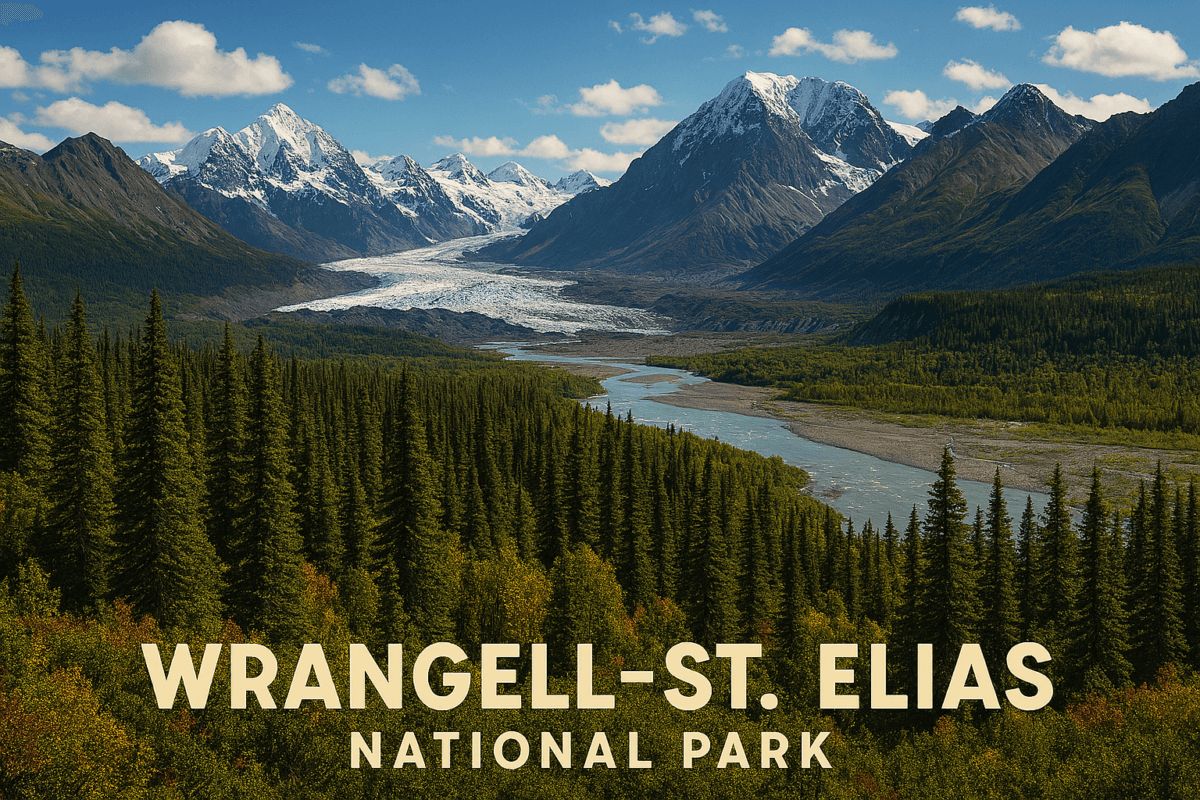
Wrangell St Elias National Park stands as the absolute crown jewel of the Alaskan wilderness and holds the title of the largest national park in the United States.
Covering over thirteen million acres of rugged terrain, it is roughly the same size as six Yellowstone National Parks combined.
For travelers from the United States, Canada, and Germany seeking the ultimate frontier experience, this UNESCO World Heritage site offers a scale of nature that is difficult to comprehend until you are standing at the base of a glacier or staring up at some of the highest peaks in North America.
To help you plan your journey to this remote corner of Alaska, here are the answers to the most common questions travelers ask before heading into the wild.
What is the best time to visit?
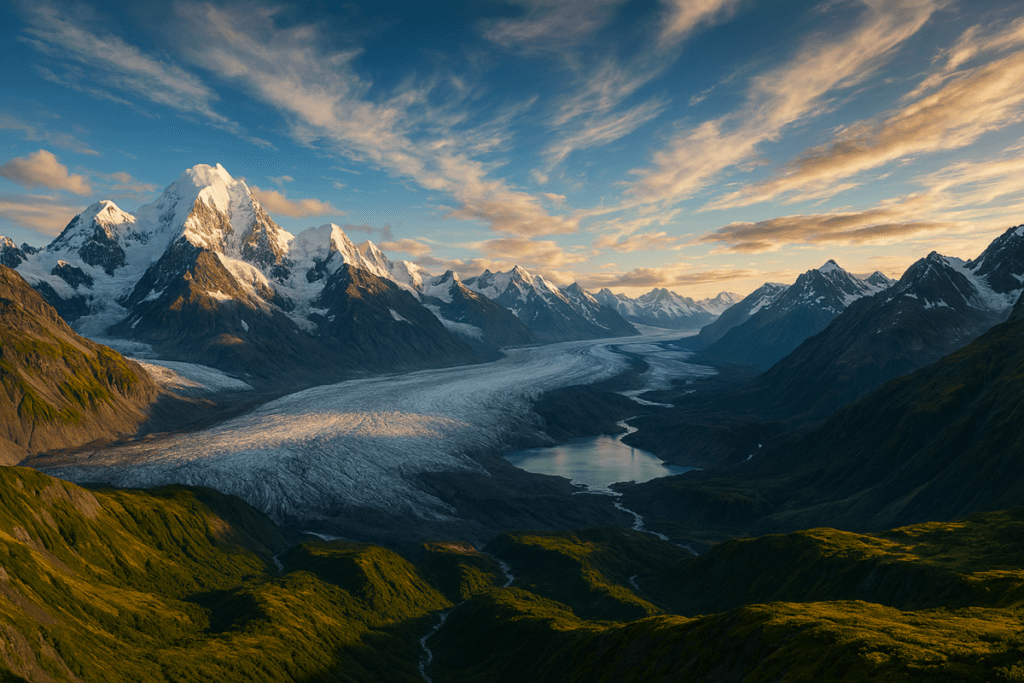
The primary visitor season runs from mid May through mid September. June and July offer the longest daylight hours and the best weather for hiking, while August brings beautiful autumn colors and ripening berries.
By late September, many services and lodges close for the winter as snow begins to cover the landscape.
Entrance Fee
One of the most surprising facts about this massive park is that there is no entrance fee. Unlike many other major US national parks, you do not need to pay a daily or weekly fee to enter Wrangell St Elias National Park and Preserve.
How do you get to Wrangell St Elias?
Most visitors arrive by car via the Richardson Highway. From there, you have two main road options: the McCarthy Road in the south and the Nabesna Road in the north. Both are unpaved gravel roads that require a sturdy vehicle and a spare tire.
Many international travelers prefer to take a bush plane from Chitina or Glennallen to McCarthy for a truly scenic entry.
Where should I stay when visiting?
The two most popular hubs are McCarthy and Kennicott. McCarthy is a quirky, off grid town with a handful of lodges and restaurants, while Kennicott is situated right next to the historic copper mines and provides direct access to the Root Glacier trails.
Can you see the Northern Lights here?
While the park is far enough north for the Aurora Borealis, the best viewing happens during the dark winter months. Since most visitors come during the summer when the sun barely sets, you are unlikely to see them unless you visit in late August or September when the nights begin to darken.
Wrangell St Elias occupies a massive section of the southeastern interior. It encompasses four major mountain ranges: the Wrangell, St Elias, Chugach, and the Alaska Range.
This is a place where nature operates on a different level. Nine of the sixteen highest peaks in the United States are located within the park boundaries, including Mount St Elias, which rises to 18008 feet and sits right on the border of Alaska and the Yukon in Canada.
For those who enjoy comparing global landscapes, the park is larger than the entire country of Switzerland.
This vastness is part of why it attracts so many outdoor enthusiasts from Germany and Central Europe who are looking for true solitude that is no longer found in the Alps.
If you are planning an extended trip through the region, you might also want to check out my guide on the for more travel tips.
Kennicott and McCarthy
A visit to Wrangell St Elias is as much about history as it is about hiking. The Kennecott Mines National Historic Landmark is a remarkably well preserved copper mining town from the early twentieth century.
The iconic red wooden buildings, including the massive fourteen story concentration mill, look like they were frozen in time after the mines closed in 1938.
Walking through the ruins of the Kennecott copper mine gives you a sense of the incredible grit required to live and work in such a remote location. Today, the town of McCarthy serves as the gateway to this history.
It is a town with no paved roads and a very small year round population, offering an authentic Alaskan bush experience that you won’t find in more commercialized parks like Denali.
Glaciers, Hiking, and Rafting
If you are coming for the views, the Root Glacier is a must see. It is one of the most accessible glaciers in the world. You can hike right up to the edge of the ice from Kennicott and even strap on crampons for a guided walk across the frozen blue surface.
The scale of the ice is mind blowing, with the Stairway Icefall towering in the background, dropping over seven thousand feet from the mountains above.
For those looking for even more adventure, the park offers world class rafting on the Copper River and the Nizina River.
These trips take you through deep canyons and past massive calving glaciers. If you are interested in other rugged outdoor destinations, you might find my article on the useful for your next trip.
Planning Your Logistics
Planning is essential. Cell service is virtually non existent once you leave the main highways, and there are very few places to buy groceries or fuel inside the park.
Glennallen and Copper Center are your last major stops for supplies before you head down the McCarthy Road.
If you are driving, be aware that many rental car companies have restrictions on driving their vehicles on the McCarthy and Nabesna roads. Always check your rental agreement before heading out. For more information on navigating the unique challenges of Alaskan travel, take a look at my post on how to .
International Travelers
Travelers from Canada often feel a sense of familiarity here, as the park connects directly with in the Yukon. Together with Glacier Bay and Tatshenshini-Alsek in British Columbia, they form one of the largest protected wilderness areas on earth.
German travelers are frequently drawn to the park for the sheer sense of freedom and the opportunity for backcountry trekking without the crowds. It is not uncommon to hike for days in the Wrangell Mountains without seeing another person.
If you are a fan of high altitude adventures and remote landscapes, you should also read my guide on for more inspiration.
External Resources
Get the most accurate and up to date information on trail conditions and road closures, always check the official National Park Service website. You can find detailed maps and safety warnings on the .
For those interested in the geological history of the Wrangell volcanoes, the provides fascinating data on Mount Wrangell, which is still considered an active volcano.
Additionally, if you are looking for local guides for glacier trekking or flightseeing tours, the is a great resource for finding reputable local businesses.
Wrangell St Elias National Park is not a place you visit on a whim. It requires effort, time, and a bit of a rugged spirit. However, the reward is an experience that stays with you forever.
Whether you are standing on the ancient ice of a glacier, exploring the ghost town of Kennecott, or simply watching the sunset over the Wrangell Mountains at midnight, you will realize that this is one of the last truly wild places left on the planet.
If you are looking for more travel inspiration and tips for exploring the great outdoors, feel free to browse through other articles on where I cover everything from national park guides to travel gear reviews. Safe travels as you head into the Great Land!