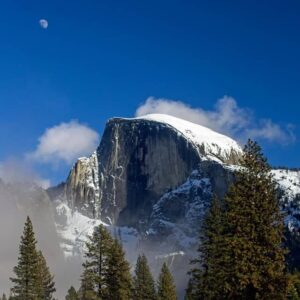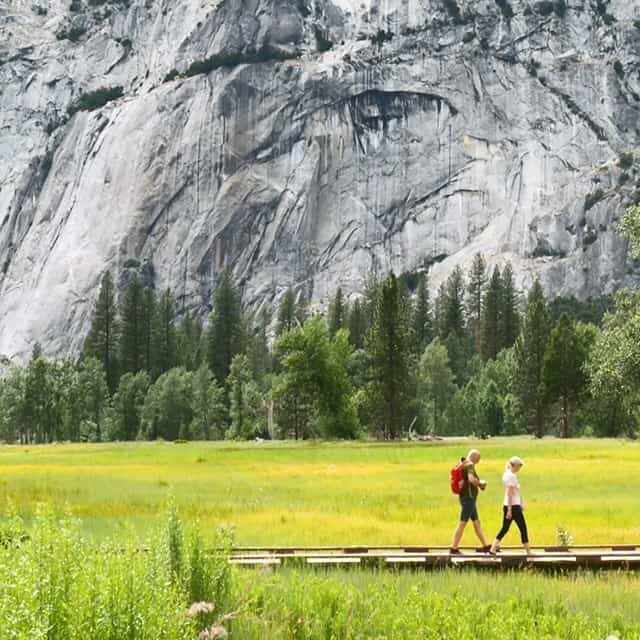
The Yosemite national park packing list matters more than it does for most national parks because the park’s elevation range means the weather you experience on the valley floor in the morning can feel completely different from what greets you on a mid-elevation trail three hours later.
People underestimate this consistently. They arrive in summer shorts and a t-shirt, hit the valley in comfortable warmth, and then wonder why they are shivering at Glacier Point by early afternoon.
Getting the packing right is not about carrying more. It is about carrying the right things for a place that runs on its own meteorological logic.
The short answer to what you need is clothing that layers, footwear that has actually been broken in before you arrive, sun protection that you will use consistently, and enough water capacity to stay hydrated on trails where refill points are not always close.
Everything else builds from those foundations depending on when you are going and what you plan to do.
Light Clothing
The Sierra Nevada at 4,000 feet in the valley and 8,600 feet in the high country is not beach weather territory even in July.
Daytime valley temperatures in summer regularly climb into the 80s and occasionally the 90s Fahrenheit, which is warm enough that light clothing feels right.
But as soon as elevation gains, temperatures drop, and any afternoon cloud cover can shift the feel of a hike significantly.
The layering principle is what experienced hikers use in any mountain environment, and Yosemite is no exception. A moisture-wicking base layer next to the skin handles sweat without holding it against the body.
A midweight fleece or insulated layer goes over that when temperatures drop. A waterproof and wind-resistant shell sits on top for afternoon showers or exposed ridgelines.
Three layers, each doing a distinct job, cover a temperature range that no single piece of clothing can handle.
Cotton fails visibly in this environment. When cotton gets wet, from sweat or rain, it stays wet and draws heat away from the body.
Wool and synthetic fabrics do not behave this way. For visitors from Germany where outdoor gear culture tends toward technical rather than casual clothing, this distinction will feel familiar.
For American visitors who default to a cotton t-shirt and jeans for a day hike, it is worth reconsidering before the trail.
For shoulder season trips in April, October, or November, the same layering principle applies with heavier weights across each layer.
Nights drop near freezing at valley elevation during these months and well below that in the high country. Anyone hiking to higher elevations outside of peak summer should treat those conditions with the same seriousness as a dedicated mountain trip.
The best time to visit Yosemite guide on this site covers what each season actually delivers on the ground, which helps calibrate how seriously to take cold-weather preparation.
Footwear
The single most consistent mistake first-time Yosemite visitors make with gear is wearing new hiking boots on the trail.
Breaking in boots takes time, not just a few wears around the house, and a full day on rocky granite trails with unbroken footwear produces blisters that can end a trip early.
Hiking boots need to feel like a second skin before they go on a Sierra Nevada trail.
For day hiking in the valley and on lower-elevation trails, well-fitted trail runners or approach shoes work well and are lighter than full hiking boots.
For longer routes, serious elevation gain, or any off-trail terrain, a boot with ankle support earns its weight.
Wool or synthetic hiking socks in two or three pairs are essential. No cotton socks, for the same reasons no cotton clothing makes sense on a mountain trail.
Sun Protection
Yosemite’s elevation means UV exposure is meaningfully higher than at sea level, and the open granite terrain in the high country offers no shade at all. Sunscreen with an SPF of at least 30, applied before going out and reapplied during the day, is not optional.
Sunglasses with UV protection and a hat with a brim are both practical items that a significant number of visitors leave in the car.
Hydration
Water is the other non-negotiable. The NPS recommends carrying at least half a liter of water per hour of moderate activity in moderate temperatures, and Yosemite’s trails in summer can push well beyond moderate.
Carrying at least two to three liters of capacity is sound planning. A water filter or purification tablets allow hikers to refill from streams and creeks, which are plentiful in the park and a genuine logistical advantage on longer routes.
The NPS Yosemite trail safety page covers hydration guidance alongside other practical trail information that is worth reading before the first day on trail.
Packing List
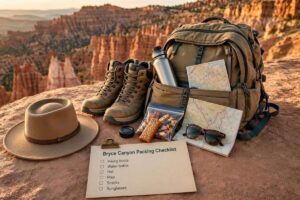
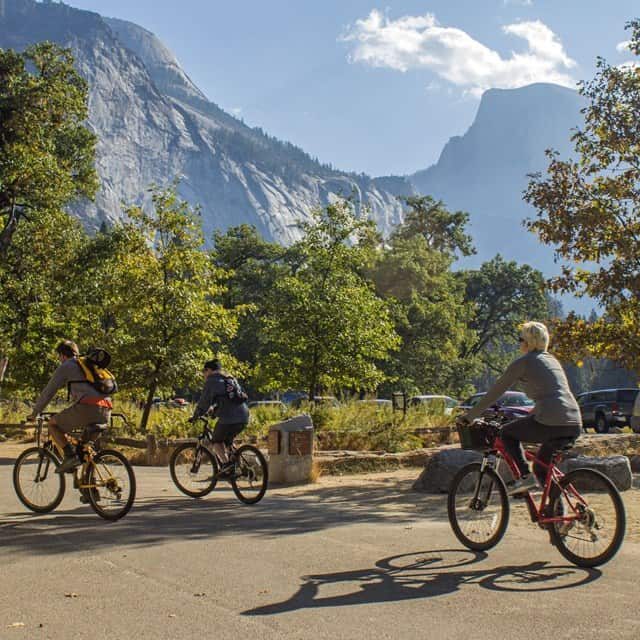
Beyond clothing and water, a well-packed day bag for Yosemite includes a headlamp with fresh batteries, a basic first aid kit, trail snacks with enough caloric density to sustain energy across a long day of hiking, a downloaded offline map of the park since cell coverage is unreliable on most trails, and a fully charged phone.
A small dry bag or pack cover is worth having for afternoon showers that come with little warning in summer.
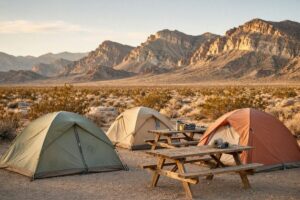
Anyone planning to stay overnight should note that bear canisters are required for food storage in the Yosemite wilderness.
This is a regulation, not a suggestion, and violations carry fines. Renting a canister at the Yosemite Valley Wilderness Center is straightforward if carrying one from home is not practical.
Gear Costs Matter
Outdoor gear for a Yosemite trip is a real line item in the trip budget, particularly for visitors who are building a kit from scratch.
A quality rain shell, wool base layers, and broken-in footwear represent meaningful upfront costs.
The practical approach is to treat good gear as a per-use investment rather than a one-time expense.
The same jacket that works in Yosemite works in any mountain environment, which matters for Canadian travelers building out a broader western parks itinerary, and for German visitors who may continue hiking elsewhere in California after the park.
If accommodation is still unresolved alongside the packing planning, the best hotels near Yosemite guide covers lodging options across different budgets and distances from the park, which can be relevant to gear decisions since some gateway hotels offer gear storage and drying facilities that tent camping does not.
Pack Worth Carrying
The best Yosemite packing list is not the longest one. It is the one built around understanding what the park actually demands across different conditions and different times of year.
Layers over single pieces, broken-in footwear over new boots, water capacity over assumptions about trail access, offline maps over cell service, these are the decisions that determine whether the physical experience of the park matches what brought you there.
The planning is part of the trip. The gear is part of the respect you bring to it.