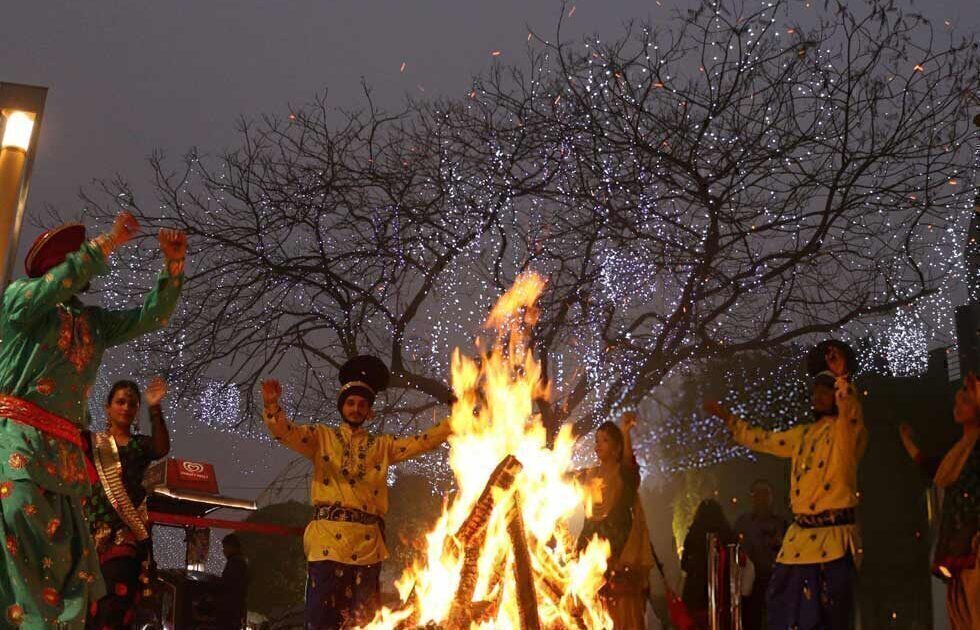
Lohri Festival is one of the most joyful and colourful festivals celebrated in northern India, especially in Punjab. We are discussing Lohri festival today as one of the unique festivals of the people!
It marks the end of winter, the arrival of longer days, and the celebration of the harvest season. Observed every year on January 13, Lohri brings families and communities together around bonfires, music, dance, and traditional food.
More than just a festival, Lohri represents gratitude, hope, and new beginnings. Its roots lie deep in agriculture, folklore, and ancient beliefs connected to nature and the sun.
Read Also: Africa Travel Trends 2025: New Mastercard Travel Trends Report
Over time, Lohri has grown into a cultural celebration enjoyed not only in India but also by Indian communities around the world.
What Is Lohri Festival
Lohri is a winter harvest festival mainly celebrated in Punjab, Haryana, Himachal Pradesh, and nearby regions. It is celebrated on the night before Makar Sankranti and marks the end of the coldest days of winter.
For farmers, Lohri is especially important. It signals the harvesting of rabi crops, particularly sugarcane and wheat.
This period is often seen as the financial New Year for farmers, as they celebrate the results of months of hard work and pray for prosperity in the coming season.
Historical Background: Lohri Festival
The history of Lohri goes back many centuries and is closely tied to agrarian life. In ancient times, communities depended heavily on farming, weather, and seasonal cycles. Festivals like Lohri helped people stay connected to nature and mark important transitions in the year.
Lohri also aligns with the winter solstice, after which days begin to grow longer. This change symbolized hope, warmth, and the victory of light over darkness. Lighting bonfires during Lohri was believed to drive away cold, illness, and negative energy.
Read Also: African Bulletproof Charms: Protection or a Risky Gamble?
Over time, folklore and legends became part of the festival, giving Lohri a strong cultural identity beyond farming.
The Legend of Dulla Bhatti
One of the most popular stories associated with Lohri is the legend of Dulla Bhatti. He is remembered as a folk hero of Punjab and is often called the Robin Hood of the region.
Dulla Bhatti lived during the reign of Mughal Emperor Akbar.
He was known for standing up against injustice and helping the poor. According to legend, he rescued young girls who were at risk of being sold into slavery and arranged their marriages, treating them like his own sisters.
Two girls named Sundri and Mundri are central to this story. Dulla Bhatti is said to have saved them and ensured they had a safe and dignified life. His bravery and kindness made him a symbol of justice and humanity.
Even today, Lohri songs like “Sundar Mundariye” are sung in his honor, keeping his legacy alive across generations.
Traditions: Lohri Festival
Lohri is celebrated with several customs that bring people together and create a warm, festive atmosphere.
Bonfire Celebrations
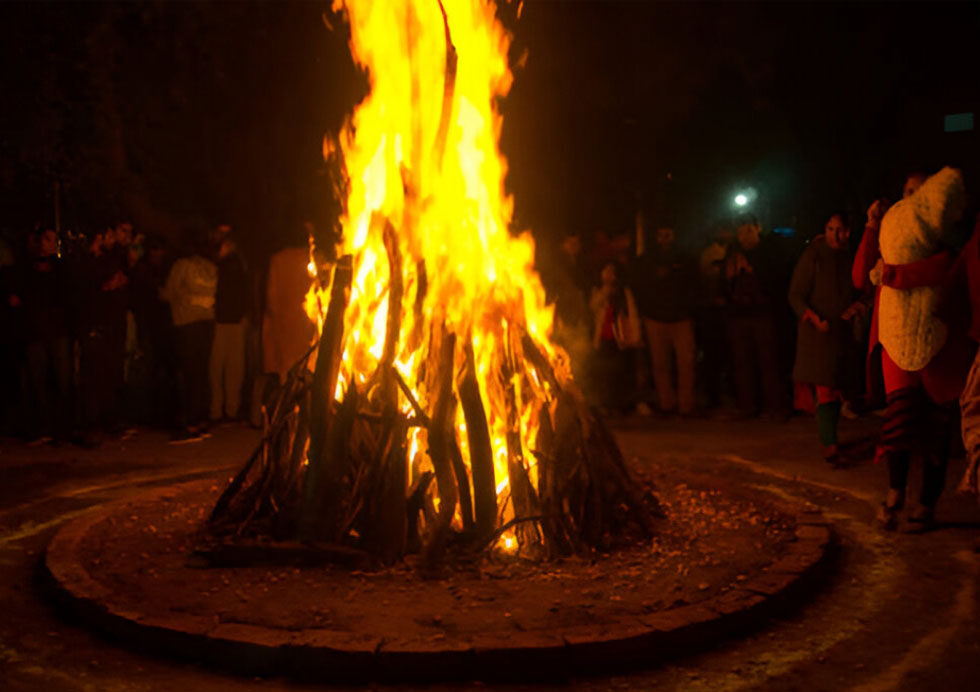
The bonfire is the heart of Lohri celebrations.
As evening falls, people gather around a large fire in open spaces, courtyards, or community grounds. Offerings such as sesame seeds, jaggery, popcorn, peanuts, and sugarcane are thrown into the fire as a symbol of gratitude and prayer.
The fire represents warmth, protection, and new beginnings. People walk around it, pray, and wish for happiness and prosperity.
Singing and Dancing
Music and dance are essential parts of Lohri. Traditional folk songs are sung, many of which mention Dulla Bhatti and themes of harvest and community. The dhol drum beats fill the air, and people dance energetically.
Men usually perform bhangra, while women perform gidda. These dances reflect joy, strength, and celebration of life.
Children and Community Bonding
In the morning, children often go from house to house singing Lohri songs and collecting sweets or small gifts. This tradition helps strengthen community bonds and passes cultural values to the younger generation.
Astrological and Religious Significance
Lohri is closely connected to astrology. It marks the sun’s movement into the zodiac sign Capricorn, known as Makar. This transition is part of Makar Sankranti, which is celebrated in different forms across India.
The movement of the sun toward the northern hemisphere is considered highly auspicious. It symbolizes growth, renewal, and positive energy. Lighting bonfires is believed to welcome this transition and protect people from the cold winter.
Food: Lohri Festival
Food plays a major role in Lohri celebrations. Special dishes prepared during this festival reflect local culture and seasonal ingredients.
Common Lohri foods include sesame seed sweets, jaggery, gajak, peanuts, popcorn, and sugarcane. These foods are believed to bring warmth and good luck.
In Punjabi households, a traditional meal of makki di roti and sarson da saag is enjoyed. The rich flavors and simple ingredients reflect the agricultural roots of the festival.
Lohri Festival for Families
Lohri holds special importance for families celebrating milestones such as a newborn baby or a recent marriage. The first Lohri of a child or newlywed is celebrated with extra joy and blessings.
Relatives and neighbours gather to offer gifts, sweets, and prayers for a happy and prosperous future. These celebrations strengthen family ties and mark important life transitions.
Lohri Festival: Modern Era
While Lohri remains rooted in tradition, modern celebrations have adapted to today’s lifestyle. In cities, people organise community events in parks, apartment complexes, and banquet halls. Music, dance performances, and festive dinners are common.
For Indians living abroad, Lohri is a way to stay connected to their culture. In countries like Canada, the United States, the United Kingdom, and Australia, Lohri is celebrated with great enthusiasm, helping younger generations learn about their heritage.
Social media has also made Lohri more visible, with people sharing photos, greetings, and videos of celebrations.
Lohri Festival as Inspiration
Lohri offers rich inspiration for writers and storytellers. Its mix of history, folklore, emotion, and celebration makes it a powerful theme for creative work.
Writers can explore Lohri through historical fiction, children’s stories, romance, or personal essays. The legend of Dulla Bhatti, village life, and family traditions provide rich material for storytelling.
Cultural festivals like Lohri add depth and authenticity to stories, helping readers connect emotionally.
Conclusion
Lohri is more than just a harvest festival. It is a celebration of life, light, community, and hope. Rooted in agriculture and folklore, Lohri has grown into a cultural tradition that continues to unite people across generations and borders.
Whether celebrated in a village courtyard or a city park, Lohri reminds us to be grateful for nature’s gifts, cherish togetherness, and welcome new beginnings with joy. Lohri continues to warm hearts and keep traditions alive.
Happy Lohri Festival: Resources
- Happy Lohri Festival – Cottage9
- The History & Story Behind Lohri Festival – Bookalooza
- Happy Lohri 2026: Best Wishes, Quotes And Messages To Share With Family And Friends – NDTV
- Culture – Tadexprof.com
- 60+ Best Wishes, Quotes, and Messages to Spread Joy – MC
- Hamar Tribe: Women Receive Brutal Flogging On Their Bare Skin As A Show of Love