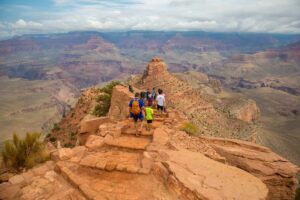
The Grand Canyon National Park packing list comes down to one variable more than any other, and that is whether you plan to hike below the rim.
The rim itself is a relatively forgiving environment. You can walk the paved Rim Trail in ordinary sneakers, stand at Mather Point in a light jacket, and return to your car in reasonable comfort.
The moment you descend into the canyon, the rules change completely.
Temperature, exposure, and the sheer physical effort of the return climb demand a different category of preparation, and the gear you bring or fail to bring will determine whether the hike is one of the best experiences of your life or a medical situation.
That distinction matters more than any packing list. What follows covers both.
Footwear
The single most consequential item in any Grand Canyon pack is footwear, and most first-time visitors get this wrong. Trail runners and hiking sandals are fine for the upper sections of Bright Angel or South Kaibab in good weather.
Anything below the first switchbacks on a warm day demands ankle support, a grippy rubber sole, and ideally some waterproofing for the creek crossings on the Bright Angel Trail.
Blisters and twisted ankles account for a disproportionate share of ranger-assisted rescues, and both are almost entirely preventable with the right shoe.
It is recommended to come along with hiking boots or sturdy, comfortable footwear for spring and autumn trips, and adds waterproof hiking sandals as an option for summer when creek wading makes full coverage impractical.
The key word in any footwear recommendation is “broken in.” Wearing a new pair of hiking boots to the Grand Canyon for the first time is a reliable way to spend the second day of your trip hobbling around the visitor center instead of on a trail.
Packing for Spring and Fall
Spring and fall are the most forgiving seasons for gear decisions because the temperature range is wide but manageable.
The South Rim sits at around 7,000 feet, and mornings in April or October can sit comfortably in the low 40s Fahrenheit before climbing to the 60s or 70s by midday.
The inner canyon runs warmer throughout, sometimes by 20 degrees or more, which means leaving the rim in a fleece and arriving at the first rest stop needing only a t-shirt.
Thes are the guidance for spring and autumn includes both a light sweater or fleece and a waterproof outer layer, with the explicit note that the coat should be genuinely waterproof rather than merely water resistant.
This is a meaningful distinction when afternoon storms roll through in spring. A water-resistant shell will soak through in twenty minutes.
A proper waterproof layer keeps you functional. Long pants and a sunhat are not optional additions.
UV radiation at elevation is considerably stronger than most visitors from flatter geographies expect, and the exposed rock of the canyon reflects it back up from below.
For visitors traveling from Germany or other parts of central Europe, the layering system familiar from Alpine hiking translates well to the canyon in spring and fall.
The principle is the same base layer for moisture management, mid layer for warmth, waterproof shell for weather. What changes is the heat at the bottom of the canyon, which has no Alpine equivalent.
What Summer Requires
Summer is when the Grand Canyon’s packing requirements move beyond comfort and into safety territory.
The summer packing list includes long-sleeved shirts or thin button-down shirts specifically to protect against sun exposure, a waterproof rain jacket for afternoon monsoon storms, and a bathing suit for those visiting the North Rim area or accessing water sources in the canyon.
The most important item for a summer trip is not on most packing lists because it is not gear. It is water.
The NPS recommends a minimum of half a liter of water per hour of hiking in summer, which means a one-liter bottle is genuinely inadequate for any inner-canyon hike longer than two hours.
A hydration bladder or multiple reusable bottles are the right answer, and electrolyte tablets or powders matter as much as the water volume because hyponatremia, which is dangerously low sodium caused by drinking water without replacing electrolytes, is a real and recurring problem on the canyon’s summer trails.
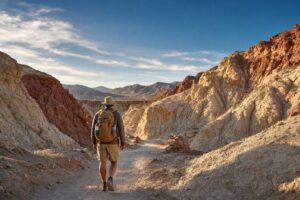
A wide-brim sunhat is non-negotiable in summer. Baseball caps leave the ears and neck exposed, and the canyon walls amplify the heat.
Lightweight, moisture-wicking long sleeves are more effective at temperature management than tank tops, which sounds counterintuitive until you spend an hour in direct sun at 105 degrees Fahrenheit and understand that the fabric is doing work the skin cannot.
Winter Packings
Winter brings a completely different set of demands that most visitors underestimate because the postcard version of the Grand Canyon is always warm and rust-red.
The winter packing list includes thermal underwear, a warm waterproof parka, gloves, a warm hat, and the reminder that sunscreen remains essential in cold weather because high elevation UV exposure continues regardless of temperature.
The canyon trails can be icy in winter, particularly in shade. Microspikes or traction devices that slip over hiking boots are worth considering for anyone planning to hike below the rim between December and February.
They weigh almost nothing and prevent falls on sections where ice is invisible against the pale rock.
Canadians familiar with winter trail hiking will recognize the requirement immediately. Visitors from warmer climates often skip this and regret it.
Essentials to Bring
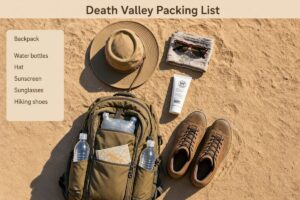
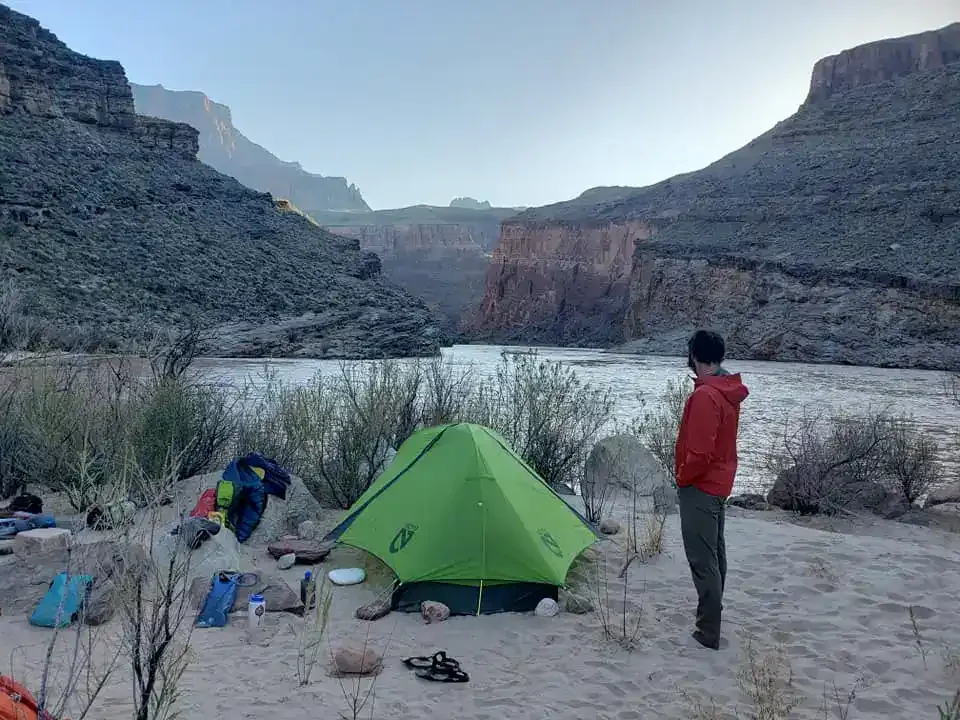
Beyond clothing, the personal items list includes a whistle, a small first aid kit, insect repellent, lip balm, a daypack, and waste bags for leave-no-trace compliance.
The whistle is worth singling out because it seems excessive until it is not. Cell service is unreliable across significant sections of the canyon, and a whistle carries across terrain that a voice cannot.
A small daypack that sits comfortably on the back without swinging or bouncing is more valuable than its price suggests on any hike longer than a couple of miles.
Sunglasses deserve more attention than they typically get in packing guides. The reflected light off canyon walls and pale trail surfaces is intense, and eye fatigue from inadequate UV protection is a real factor on a full day of hiking.
The NPS hiking and safety page remains the most authoritative source for in-canyon safety protocols and what rangers actually recommend before any descent below the rim.
It is worth reading before the trip rather than on the shuttle ride down.
If your Grand Canyon visit is part of a larger Utah and Arizona road trip, the gear requirements shift across parks.
Our guide to Zion National Park covers what the Narrows and Angels Landing specifically demand in terms of footwear and preparation, which differs enough from the Grand Canyon that a separate read is worth the time.
The canyon has a way of exposing exactly what you did not bring. Getting the packing right is the one part of a Grand Canyon trip where there are no second chances once you are on the trail.