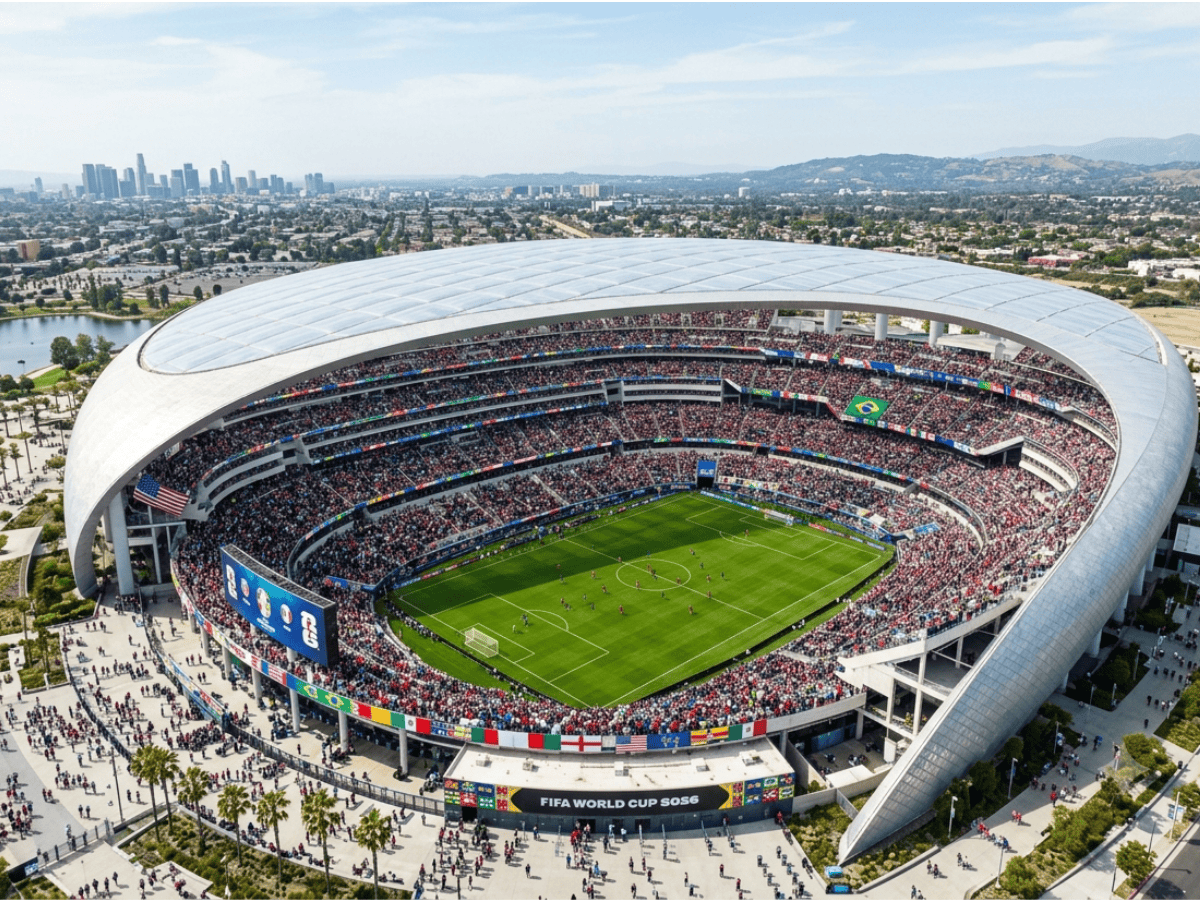
The FIFA World Cup 2026 runs from June 11 to July 19, spans three countries: the United States, Canada, and Mexico and features 48 teams playing 104 matches across 15 cities.
The final is at MetLife Stadium in New Jersey. Tickets are sold exclusively through FIFA’s official platform. If you are asking where to stay, how much to budget, whether you need a visa, or which cities are worth building a trip around: those are the questions this article answers directly.
The Largest World Cup Ever Staged
For American and Canadian fans, the scale of this tournament is easy to underestimate until you look at the math. The previous format had 32 teams and 64 matches. This one has 48 teams, 12 group-stage pools, and a round of 32 before the knockout bracket even begins.
That means more matches, more cities, more travel decisions, and a longer tournament window for anyone who wants to follow their team deep into the competition.
German fans face a different calculation. Germany qualified and will play group-stage matches in the United States.
Flights from Frankfurt or Munich to Dallas, New York, or Atlanta are a reasonable transatlantic investment if the national team is the draw.
The schedule determines the city, and that determines the cost.
The Host Cities and Stadium
Fifteen cities means fifteen different experiences, and some are considerably more interesting than others for a traveler who wants the tournament and the destination to feel worth the money. New York and New Jersey anchor the entire event.
| City | Venue | Country | Climate (June/July) |
|---|---|---|---|
| New York / New Jersey | MetLife Stadium | USA | Warm, humid |
| Los Angeles | SoFi Stadium | USA | Warm, dry |
| Dallas | AT&T Stadium | USA | Very hot (domed) |
| San Francisco | Levi’s Stadium | USA | Mild, cool |
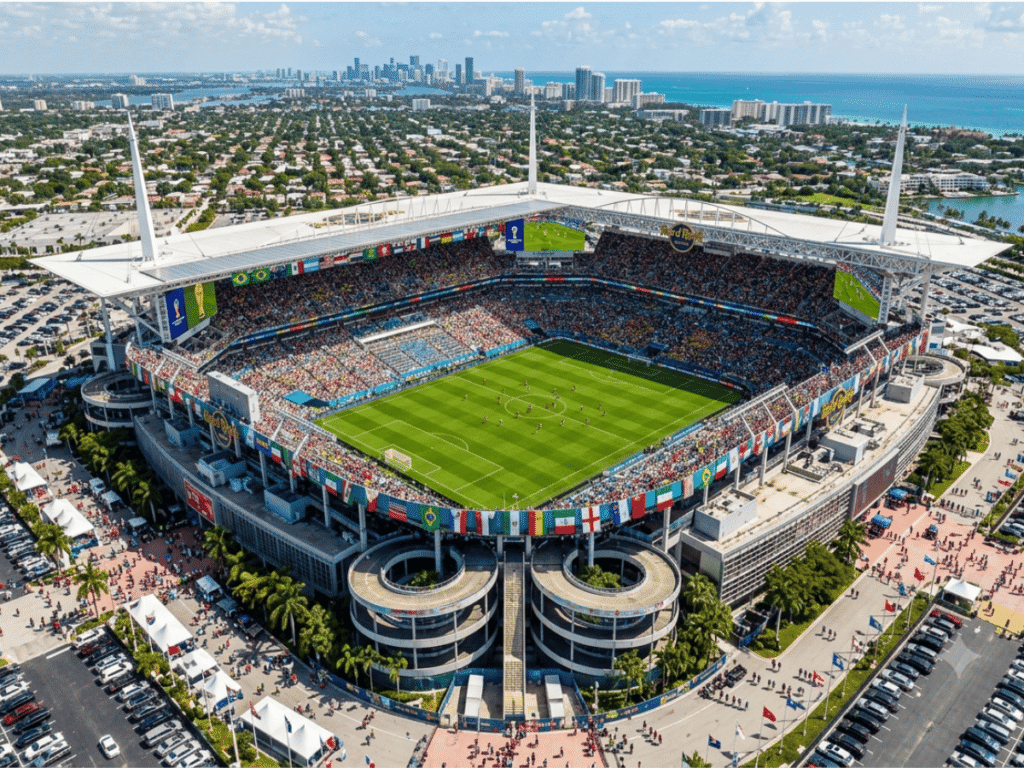
| Miami | Hard Rock Stadium | USA | Hot, humid |
| Seattle | Lumen Field | USA | Mild, overcast |
| Boston | Gillette Stadium | USA | Warm, pleasant |
| Kansas City | Arrowhead Stadium | USA | Hot |
| Philadelphia | Lincoln Financial Field | USA | Warm, humid |
| Atlanta | Mercedes-Benz Stadium | USA | Hot (domed) |
| Toronto | BMO Field | Canada | Warm |
| Vancouver | BC Place | Canada | Mild |
| Mexico City | Estadio Azteca | Mexico | Mild (high altitude) |
| Guadalajara | Estadio Akron | Mexico | Warm, some rain |
| Monterrey | Estadio BBVA | Mexico | Hot |
Visas and Entry
For American fans, crossing into Canada or Mexico requires nothing beyond a valid passport. For German fans and most other Europeans traveling to the United States, the ESTA system handles authorization online for $21 and takes minutes to complete, but it must be done before boarding, not on arrival.
Anyone from a country outside the US visa waiver program needs a B-2 tourist visa, which requires a consulate appointment, and those can take months to schedule.
The time to start that process is now, not the week before departure.
Canada requires an eTA for many nationalities at CAD $7.
Mexico does not require a visa for citizens of the EU, US, UK, or Canada. A tourist card is issued on arrival.
The practical complication of a tri-national tournament is that crossing between host countries means crossing international borders. Keep your passport and any relevant documents accessible, not buried in checked luggage.
Daily Budget
For a US-based traveler, the realistic daily budget excluding match tickets and flights sits somewhere between $80 and $120 at the low end hostels, food trucks, public transit and $300 to $500 or more at the comfortable end.
Mexico is substantially cheaper than either American or Canadian cities. Vancouver and New York are the two most expensive venues on the roster.
Match tickets are separate. Group-stage tickets are more accessible in price; semifinal and final seats command a significant premium.
Official tickets are sold in phases through FIFA’s platform, including lottery draws and first-come sales.
Buying from any unauthorized reseller is a financial risk, counterfeit tickets are a documented problem at every major international tournament.
Travel insurance deserves a budget line of its own. Medical costs in the United States without coverage are genuinely severe.
An emergency room visit without insurance can cost several thousand dollars.
For German travelers especially, the US healthcare billing model is structurally different from what European systems provide, and a policy that covers emergency evacuation is worth pricing before departure.
Traveling Between Cities
The 15 host cities span roughly 5,000 kilometres from Mexico City to Vancouver.
Domestic flights are the only realistic option for long-distance moves, and prices will spike around match dates.
Budget carriers like Spirit and Frontier within the US, Volaris in Mexico, and Flair in Canada keep costs lower but add fees for bags and seat selection that erode the savings quickly.
Book early and price everything inclusive.
The one exception to the flying rule is the Northeast Corridor. Amtrak between New York, Philadelphia, and Boston is fast, frequent, and comfortable.
A genuine alternative to flying for fans who hold tickets at multiple northeastern venues.
If you have ever rented a car for a road trip through the American West, the stretch from Dallas to Kansas City is another drive worth considering if time allows.
For Tadexprof readers who have been following our US national park travel series, this tournament window lines up with peak summer.
The best time to visit Yellowstone National Park is late spring through summer, the same window as the group stage. If you are flying into the Mountain West for matches in any nearby city, the park is a detour that repays the effort significantly. The how to get to Yellowstone guide on this site covers the rental car logistics that the region requires.
Accommodation
The single most common mistake at major international tournaments is waiting too long to book accommodation.
The 2026 World Cup is the largest sporting event in the history of North America by match count and attendance capacity.
Hotels in host cities, particularly New York, Dallas, and Miami will see prices double or triple once knockout fixtures are confirmed and travel demand concentrates around specific venues.
The options beyond hotels are worth considering seriously. Short-term rentals through platforms like Airbnb and VRBO give groups more space, kitchen access, and often better value per person in cities where hotel room rates are steep.
For solo travelers on a tight budget, hostels in most American host cities have private room options that sit between hostel pricing and hotel pricing.
FIFA typically announces official fan accommodation packages through partner programs, worth tracking through the official FIFA website as the tournament approaches.
The Experience Beyond the Match
The World Cup crowd is unlike anything else in sport.
Forty-eight national fan bases in the same concourse, same bar, same transit car, the atmosphere between and around matches often produces better memories than the matches themselves.
The conversation before kickoff with strangers wearing colours you have never seen before, the shared disbelief after a last-minute goal, the late-night fan zones where the tournament keeps going long after the final whistle: these are the parts that do not appear in a travel budget but define whether the trip was worth it.
The 2026 tournament has been in planning for years. The infrastructure, the stadiums, and the logistics are largely in place.
What remains is the individual decision about how much of it to commit to, one city and a few matches, or a fortnight across the continent following a team.
Either way, the time to move on flights, visas, and accommodation is not after the schedule is announced.