If you’ve ever caught yourself unlocking your phone without knowing why, scrolling endlessly, or feeling oddly exhausted after a day spent “doing nothing,” you’re not alone.
Digital burnout is real, and more people, especially Gen Z, are pushing back against it. One of the most noticeable ways? The rise of analog hobbies. Many people get trapped in endless scrolling, mindlessly engaging with digital content for several hours.
This has been researched, over the years in different areas of study, including marketing, digital marketing and others as dark patter

From knitting needles to garden trowels, clay wheels to bullet journals, hands-on, screen-free activities are quietly reclaiming space in our lives.
This shift is often called the analog movement, and it reflects a deeper desire to slow down, reconnect with the physical world, and feel a sense of accomplishment that doesn’t come from a notification or a like.
Analog hobbies aren’t about rejecting technology altogether. They’re about balance. They create moments where your hands, mind, and attention are fully present—and that’s something many of us are craving right now.
So why exactly are analog hobbies making a comeback, and which ones are worth trying this year?
Why Analog Hobbies Are Trending?
Digital burnout is pushing people to unplug
Constant notifications, social media pressure, and endless content consumption can be mentally draining. Many people, especially younger generations who grew up online, are realizing that being constantly connected doesn’t always feel good. Analog hobbies offer a break from screens without the pressure of productivity or performance.
Read More: The New Thanksgiving Winter Storm Forecast
People want tangible results
There’s something deeply satisfying about creating something you can touch, use, or display. Unlike digital work that disappears into folders or feeds, analog hobbies leave behind physical proof of your effort—a scarf, a plant, a wooden shelf, a journal filled with thoughts.
Mental health and mindfulness benefits
Many analog hobbies naturally encourage mindfulness. Repetitive motions like stitching or knitting calm the nervous system. Gardening gets you outdoors. Journaling helps process emotions. These activities don’t just fill time; they support mental well-being.
Reclaiming “slow” living
In a fast-paced world, analog hobbies invite slowness. You can’t rush pottery. You can’t speed-run embroidery. This slower rhythm is exactly what makes these hobbies feel grounding and restorative.
Analog Hobbies Worth Trying This Year
You don’t need to be artistic, crafty, or experienced to start. Curiosity is enough. Here are some analog hobbies gaining popularity—and why they’re worth your time.
Woodworking
Woodworking has seen a major resurgence in recent years. Despite rising material costs, interest continues to grow, and for good reason. Turning a simple piece of wood into something useful creates a sense of pride that’s hard to replicate.
This hobby teaches patience, problem-solving, and precision. It also shifts your relationship with objects in your home. When you build something yourself, it carries meaning beyond function.
You don’t need a full workshop to begin. Many people start with basic hand tools and small projects. The joy comes from the process as much as the final result.
Knitting and Crochet
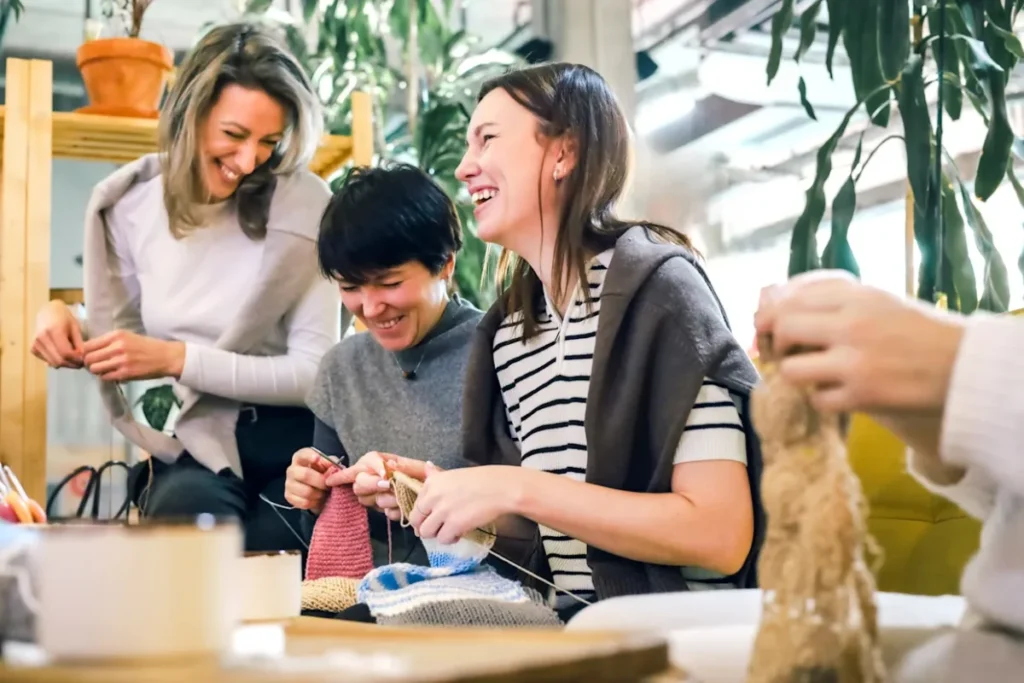
Once associated with older generations, knitting and crochet are now being embraced by Gen Z as tools for mindfulness and self-expression. What was once seen as old-fashioned is now appreciated for its calming rhythm and creative potential.
The repetitive motion of looping yarn is meditative, making it an excellent stress reliever. At the same time, you’re creating something practical—scarves, sweaters, blankets, or even home décor.
Another appeal is personalization. In a world of mass-produced fashion, handmade items feel intentional and meaningful. Plus, learning to make something from scratch builds confidence and patience.
Macramé
Macramé made a strong comeback around 2020, and it hasn’t slowed down since. Modern macramé looks nothing like the dated designs many people remember. Today’s pieces are minimalist, stylish, and surprisingly versatile.
With just rope and knots, you can create wall hangings, plant holders, table runners, and even wearable pieces. It’s a great hobby for people who enjoy structure but still want creative freedom.
Macramé also aligns with sustainability trends. Many makers use natural fibers and create items meant to last, not be replaced.
Gardening
Gardening is one of the most accessible analog hobbies out there. You don’t need land or a large budget—just a few pots, soil, and seeds can get you started.
Beyond growing food, gardening connects you to seasons, weather, and natural cycles. It encourages patience and care, reminding you that growth takes time. Being outdoors, getting sunlight, and working with soil have proven mental health benefits.
Whether it’s herbs on a balcony, flowers in a small yard, or a raised garden bed, gardening offers purpose and peace in equal measure.
Pottery and Ceramics
Working with clay is both grounding and humbling. Pottery requires focus, coordination, and patience, which makes it a powerful way to unplug. You can’t scroll while centering clay on a wheel.
Many people start pottery through community classes, which adds a social element to the hobby. It’s also one of the few creative activities where imperfection is part of the beauty. No two pieces are ever exactly the same.
From mugs to bowls to decorative pieces, pottery lets you create functional art while fully engaging your senses.
Embroidery and Cross Stitch
Embroidery and cross stitch have evolved far beyond monograms and doilies. Today, they’re used to create bold wall art, humorous designs, and deeply personal pieces.
This hobby is especially appealing because it’s portable and relatively inexpensive. With a hoop, thread, and fabric, you can stitch almost anywhere.
The slow, repetitive nature of stitching makes it excellent for relaxation. It also improves fine motor skills and focus, making it a great wind-down activity after a long day.
Bullet Journaling
Bullet journaling is more than writing—it’s a form of self-connection. Unlike digital planners, a bullet journal is flexible, raw, and personal. It can hold to-do lists, reflections, sketches, goals, and emotions all in one place.
Many people use bullet journaling as a mental reset. Putting thoughts on paper clears mental clutter and creates space for clarity. Others turn it into an artistic outlet with watercolor, calligraphy, or simple layouts.
There’s no “right” way to do it, which is exactly what makes it powerful.
The Bigger Picture
The analog movement isn’t about nostalgia for the past. It’s about responding to the present. In a world that constantly demands attention, analog hobbies give it back to you.
They remind us that value doesn’t always come from speed, visibility, or optimisation. Sometimes it comes from quiet moments, imperfect results, and doing something simply because it feels good.
You don’t have to give up technology to benefit. Even carving out 20–30 minutes a few times a week can make a difference. Choose one hobby that sparks curiosity, start small, and let it grow naturally.
In slowing down, many people are discovering something unexpected: creativity, calm, and a deeper connection to themselves—no screen required.
Analog Hobbies: Sources
- Anika Gandhi, 2026. “Why analog hobbies are making a comeback (and which ones to try this year)” Yahoo Creator, Yahoo News. Available at url
- McKenna Schonbrun (2026) “Analog hobbies’ trend among Gen-Z” CBS News. Available at url
- ‘Grandma hobbies’ have young people embracing analog activitienA new generation – NBC News
- Explore Leisure Category – Tadexprof