Virgin Islands National Park is a US national park located on St. John, the smallest of the three main US Virgin Islands, sitting in the northeastern Caribbean about 40 miles east of Puerto Rico. This guide is part of our full US National Parks Guide, covering every park worth visiting across the country.
It is free to enter, covers roughly two-thirds of the island’s total landmass, and extends 40 percent of its protected area underwater into the surrounding coral reef system.
If you are trying to figure out whether it is worth the trip from the continental United States, the answer is straightforward: there is no other national park in the American system that gives you white-sand Caribbean beaches, jungle hiking, and 3,000-year-old indigenous history in the same afternoon.
Getting there requires a flight into Cyril E. King Airport on the neighboring island of St. Thomas, followed by a ferry to Cruz Bay on St. John. Passenger ferries from Red Hook on St.
Thomas run roughly every hour, take about 20 minutes, and cost around $13 each way. The ride from Charlotte Amalie, closer to the airport, takes 45 minutes and runs less frequently.
Once you arrive in Cruz Bay, the park’s main visitor center is a short walk from the ferry dock. Rental vehicles are available in town and are worth having for reaching the more remote beaches on the south shore.
On the north shore, most major sites are accessible by open-air safari taxis, which are the island’s dominant form of public transport.
What Makes this Park Different
Most national parks ask you to choose between landscape types: mountains or desert, coastline or forest. Virgin Islands National Park does not make you choose.
The terrain shifts quickly from steep forested ridges down to coral-fringed bays, and the transition from a jungle hiking trail to snorkeling over a reef can take under an hour.
Two-thirds of the island being protected parkland also means no cruise ship docks on St. John, no high-rise hotels, and no vendors working the beaches.
For travelers from the US, Canada, and Germany who have grown accustomed to popular Caribbean destinations feeling like outdoor shopping malls, St. John reads as something genuinely different.
The park was established in 1956, largely through a land donation by Laurence Rockefeller, who purchased much of the island and transferred it to the federal government on the condition that it remain undeveloped.
That decision has shaped everything about the visitor experience since. The beaches stay clean, the forest stays intact, and the reefs, while stressed by regional ocean warming, remain among the healthier coral ecosystems in the Caribbean.
Beaches and Snorkeling
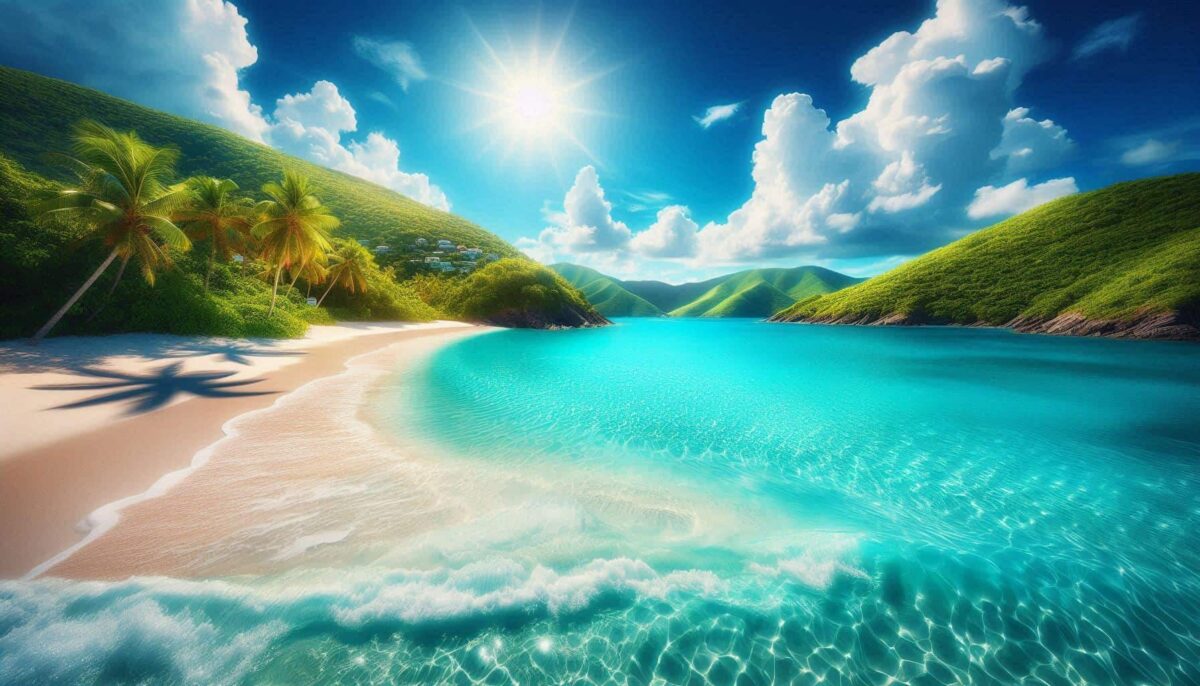
Trunk Bay is the park’s most visited beach and the only one that charges an entry fee, currently $5 per adult, with children 16 and under free.
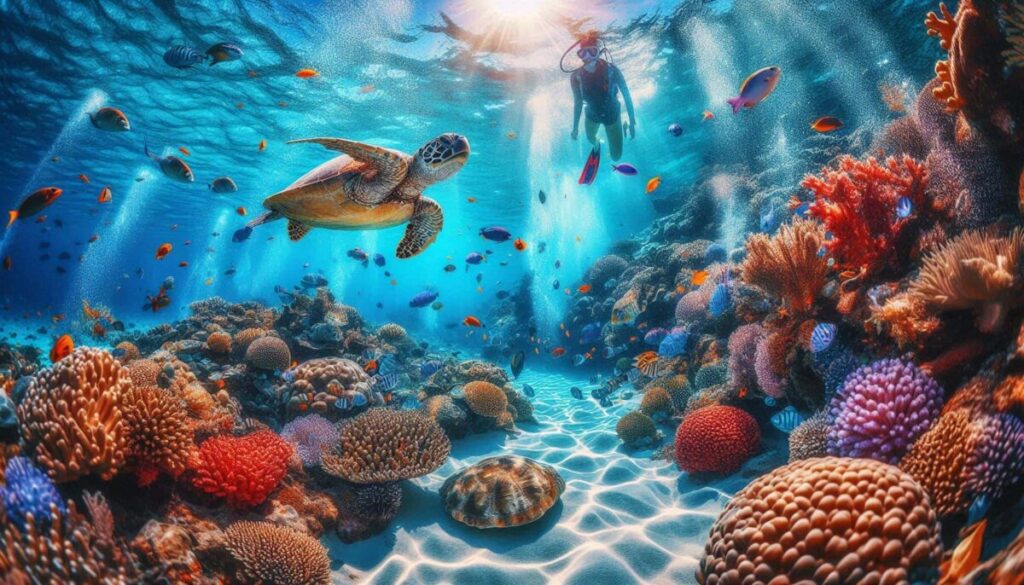
The underwater snorkel trail here, marked with identification plaques along the reef, makes it a practical starting point for anyone new to snorkeling. Sea turtles, eagle rays, and dense schools of reef fish are common.
Trunk Bay does get crowded during peak season, which runs from December through April when trade winds keep temperatures mild and rainfall low.
Cinnamon Bay, a few minutes east along the north shore road, is larger, less structured, and home to the park’s campground.
The Cinnamon Bay Campground reopened in 2022 after being severely damaged by Hurricane Irma in 2017, and now offers eco-tents, concrete cottages, and bare platforms, all with direct beach access.
For visitors who want to sleep inside a national park on a Caribbean beach without spending resort prices, this is one of the better options in the entire American parks system.
Reservations are made through recreation.gov and are competitive for the peak winter months.
Maho Bay on the north shore is calmer and shallower than Trunk Bay, and known for regular sea turtle sightings in the sea grass just offshore.
Salt Pond Bay on the south side requires a short downhill hike from the road and rewards with noticeably fewer crowds and good fringing reef for snorkeling on both sides of the bay.
Hiking and History
The Reef Bay Trail is the park’s signature hike and one of the better pieces of trail design in any national park.
It runs about three miles one way from the trailhead on Centerline Road, dropping roughly 1,000 feet through tropical forest that transitions from dry scrub to dense canopy as you descend toward the coast.
Along the route, hikers pass the ruins of multiple Danish sugar plantations, then reach a spring-fed pool where Taino petroglyphs carved as far back as 500 AD cover the surrounding rock face.
The trail ends at Reef Bay beach, where the surf is too rough for swimming but the sense of arriving somewhere genuinely remote is real.
The NPS runs a guided version of this hike that includes a boat return to Cruz Bay, which saves the uphill return walk and is worth booking through the official park website.
The Annaberg Sugar Plantation on the north shore is the park’s most accessible historical site and is free to visit.
The ruins include enslaved workers’ quarters, the sugar factory, an animal mill, and a windmill standing on a hillside with views across Leinster Bay toward the British Virgin Islands.
The Danes established formal control of St. John in 1718, and by 1733 the island held 109 plantations. That same year, enslaved Africans, many from noble and landowning backgrounds in West Africa led a six-month island-wide revolt that was eventually suppressed by French and Danish troops.
The ruins at Annaberg do not let you forget what the landscape once required of the people who worked it.
Things To Know
St. John has no airport, drives on the left side of the road despite being a US territory, and has limited parking at most beach trailheads. Arriving early before 9 a.m. solves most of the parking problems at popular sites.
The America the Beautiful annual interagency pass at $80 covers entry fees across all federal lands for a year, though Virgin Islands National Park itself has no general entrance fee, making the pass primarily useful if you are combining this trip with other US national parks.
US citizens do not need a passport to visit the US Virgin Islands, though all travelers need proof of identity at departure.
For a longer Caribbean trip, the British Virgin Islands lie just a short boat ride from St. John’s north shore.
Day charters depart Cruz Bay regularly and allow visitors to reach Jost Van Dyke and Virgin Gorda, though a passport is required to cross that border.
German visitors planning a first US national parks trip who want to understand how the broader park system is organized before building an itinerary can start with the national park map by state on Tadexprof, which gives a useful geographic overview of how parks cluster across the country.
The best months to visit are December through April, when rainfall is lowest and temperatures sit in the low-to-mid 80s Fahrenheit. Summer brings more humidity, occasional tropical storm activity, and lower travel costs across flights and accommodation.
The shoulder months of May and early June offer a reasonable balance of quieter beaches and manageable prices without the full heat of hurricane season.
What To Expect
Virgin Islands National Park does not compete with Yosemite for scale or with the Grand Canyon for spectacle.
What it offers is rarer in the national park system: a place where the land and the sea are protected together, where the history embedded in the landscape is complex and worth sitting with, and where two-thirds of a Caribbean island has remained largely as it was because one decision to protect it held.
Most visitors who come for the beaches stay longer than they planned. That tends to happen when the snorkeling is good, the trails go somewhere unexpected, and the ferry back to St. Thomas keeps running all day.