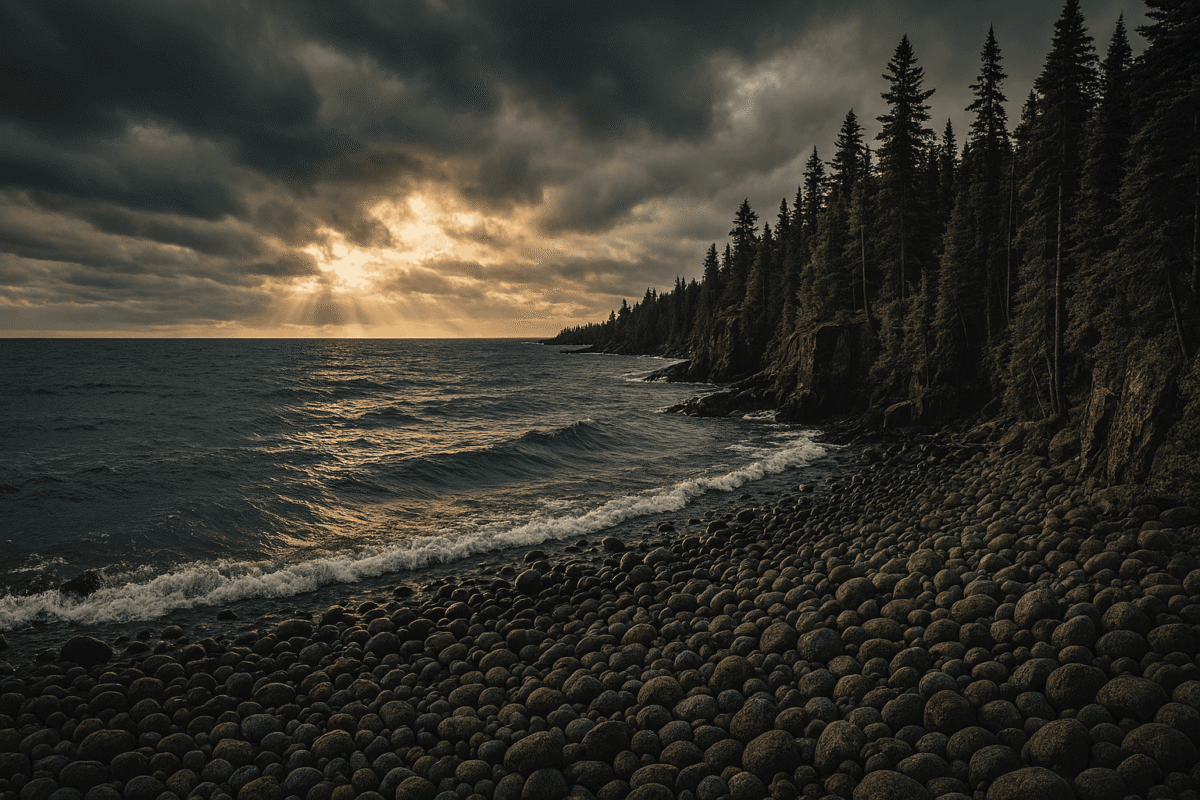
Where is Isle Royale National Park?This guide is part of our full US National Parks Guide, covering every park worth visiting across the country.
Isle Royale National Park is an archipelago of islands sitting in the northwestern corner of Lake Superior, entirely surrounded by one of the largest freshwater lakes on earth.
It belongs to Michigan, though the island sits closer to the Canadian shore of Ontario than to any part of the United States mainland.
The island itself runs 45 miles long and 9 miles wide at its widest point, covering 571,790 acres of wilderness, inland lakes, boreal forest, and rugged Lake Superior shoreline.
How do you actually get to Isle Royale National Park?
This is the question that stops most people before they ever book a trip, and the logistics are genuinely more involved than any other national park in the lower 48.
Ferry service operates from four mainland departure points. From Houghton, Michigan, the Ranger III makes a six-hour crossing to Rock Harbor on the island’s eastern end. From Copper Harbor, Michigan, the Queen IV makes a 3.5-hour crossing.
From Grand Portage, Minnesota, the crossing to the island’s western Windigo entrance takes between 1.5 and 2.5 hours depending on the vessel.
Seaplanes depart from Houghton and Grand Marais, Minnesota, reaching the island in under an hour. Ferry schedules vary significantly by season and departure point.
The best resource for current schedules, routes, and booking is Visit Keweenaw, the regional tourism authority for Michigan’s Upper Peninsula, which maintains updated ferry and seaplane information throughout the season.
No vehicles or pets are permitted on the island. Everything you need for your stay goes in your pack.
When is Isle Royale National Park open?
The park operates seasonally from April 16 through October 31 each year and closes completely in winter. Peak season runs from July through August when ferry schedules are at their most frequent, temperatures are warmest, and the moose are most active near the shoreline.
June and September offer a significant reduction in mosquito pressure, which on the island in midsummer can be intense enough to factor into every outdoor decision you make.
Early September and October bring fall colors, genuine solitude, and some of the clearest days of the year for Lake Superior views.
The island receives the fewest visitors of any national park in the country, which means even peak season feels quiet by national park standards.
What makes Isle Royale different from every other national park?
The average visit to a national park in the United States lasts about four hours. The average stay on Isle Royale is 3.5 days.
That single statistic tells you almost everything you need to know about the kind of place this is and the kind of visitor it attracts. You do not day trip to Isle Royale from a hotel in a gateway town.
You cross a large lake, commit to the island on its terms, and stay long enough to let the place work on you. There are no cars, no roads, no drive-through viewpoints, and no cell service.
There is; 165 miles of backcountry trails, dozens of inland lakes, one of the most studied predator-prey relationships in ecological science between the island’s moose and wolf populations, loons calling across the water at dusk, and a darkness at night that is so complete the aurora borealis is visible from the island on clear autumn nights without any light interference whatsoever.
Things To Do on Isle Royale
The Greenstone Ridge Trail
The Greenstone Ridge Trail runs 40 miles along the spine of the island from Windigo in the west to Rock Harbor in the east and is the defining backpacking route in the park.
Most hikers complete it in four to six days, making it a true multi-day wilderness commitment.
The trail follows the highest ridge on the island through boreal forest, past inland lakes, and over exposed rocky sections with panoramic views of Lake Superior on both sides.
The point-to-point structure means you arrive by ferry at one end and depart from the other, which is logistically satisfying in a way that out-and-back hiking rarely is.
Trail information, difficulty ratings, and current conditions for the Greenstone and all other routes on the island are maintained on
Trail information, difficulty ratings, and current conditions for the Greenstone and all other routes on the island are maintained on AllTrails. It also carries recent hiker reviews that give you a genuine on-the-ground picture of what each route is currently like.
Wildlife
Isle Royale supports the longest continuous predator-prey study in the world, tracking the relationship between its moose and gray wolf populations since 1958.
The wolf population on the island has fluctuated dramatically over the decades and the park has actively managed reintroductions in recent years to stabilize the ecological balance.
You are unlikely to see a wolf. They are present but elusive and maintain a wide berth from humans. Moose are an entirely different matter.
The island supports a dense moose population and encounters along the trail, in wetland areas, and along the shoreline are common, particularly in the early morning and at dusk.
Keep a respectful distance and do not approach them, especially in fall when bulls are in rut and behavior becomes unpredictable.
Loons nest along the island’s lakes and shorelines in significant numbers and their calls at night across the water are one of the most evocative sounds in the park.
Sea Kayaking and Diving
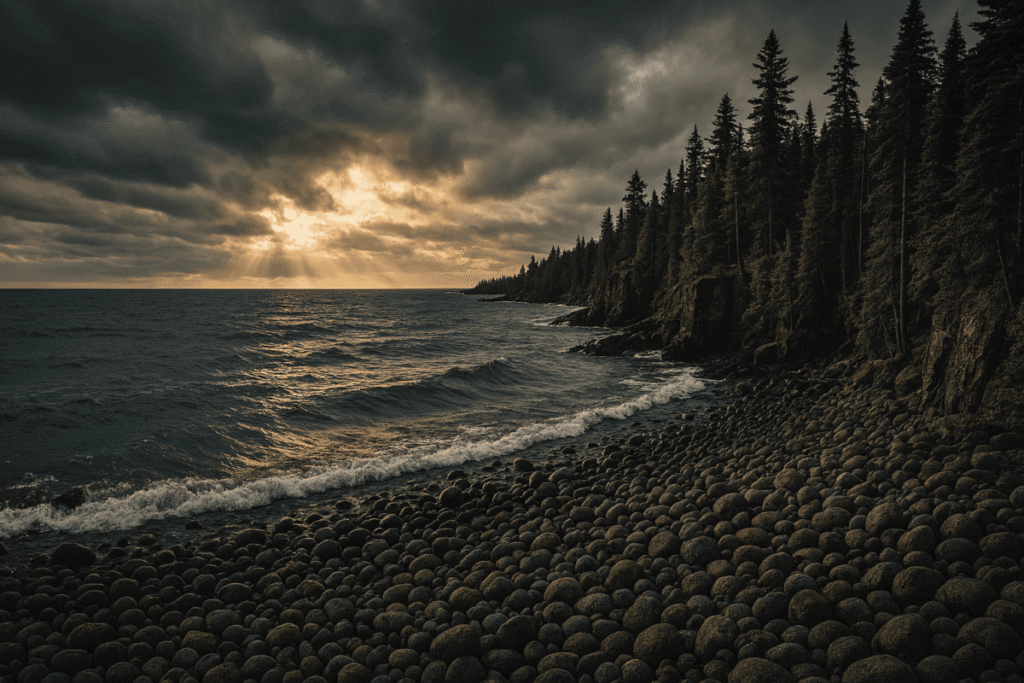
The sheltered coves and bays around Isle Royale make it one of the premier sea kayaking destinations in the Great Lakes. Rentals are available at Rock Harbor Lodge for visitors who did not bring their own equipment on the ferry.
Paddling the fjord-like inlets on the island’s interior and exploring the rocky outer coastline by kayak gives access to lighthouse ruins, beaver lodges, and shoreline that the trail system never reaches.
Below the surface, Lake Superior’s cold and exceptionally clear water preserves a collection of 19th-century shipwrecks in remarkable condition.
Ten known wrecks lie within the park boundary, all of them diveable and several of them considered among the best freshwater dive sites in North America.
Must know tips before your trip
The entrance fee to Isle Royale is $7 per person per day rather than the standard vehicle-based fee most parks charge, which reflects the island’s no-vehicle nature. Camping permits are free and must be obtained on arrival.
Potable water is only available at Rock Harbor and Windigo, so water filtration is essential for any backcountry travel. There are no bears on the island, which is one of the genuine practical surprises of planning a trip here.
Food storage regulations still apply to protect the island’s other wildlife, particularly foxes and otters that have learned to associate humans with food. Proper storage containers or sealed packs are required for all overnight camping.
Isle Royale and Great Lakes guide
Isle Royale sits at the far end of the spectrum from the well-paved, drive-through national park experience. It rewards the visitors who are specifically looking for that contrast.
For those building a broader American national parks itinerary that combines the raw wilderness of the north with the dramatic landscapes of the west, our guides to Glacier National Park in Montana and Grand Teton National Park in Wyoming give you the detail needed to plan those destinations with the same depth.
For the eastern US, our Acadia National Park guide covers the most remote and scenically dramatic park on the Atlantic Coast, a natural companion destination for anyone drawn to Isle Royale’s coastal character.
Isle Royale does not make it easy to visit and it does not apologize for that. The ferry crossings take hours. The trails are rugged.
There is no cell service and no quick exit if something goes wrong. What it offers in return is something that most national parks have lost: genuine wilderness with no safety net of convenience nearby.
The people who go once almost always find a way back. That alone tells you what kind of place it is.