Hot Springs National Park is in central Arkansas, inside the city of Hot Springs, about 55 miles southwest of Little Rock.
It is free to enter, covers 5,550 acres across the Ouachita Mountains, and holds a distinction that surprises most visitors: it is the oldest protected area in the entire US national park system, predating Yellowstone by 40 years.
President Andrew Jackson signed the legislation reserving the land on April 20, 1832, before the concept of a national park even existed.
The park exists because of 47 natural thermal springs that push roughly 700,000 gallons of mineral-rich water to the surface every day at an average temperature of 143 degrees Fahrenheit.
Those springs are the reason people have come here for centuries, and the reason the architecture along Bathhouse Row is unlike anything else in the national park system.
For American road trippers cutting through the South, Canadian visitors looking for a compact national park weekend that does not require a week of planning, and German travelers interested in European-style spa culture transplanted to American soil.
Hot Springs is one of the more genuinely surprising stops in the country.
The Springs and How They Work
The thermal water at Hot Springs does not come from volcanic activity, which is the assumption most visitors bring with them. The geology here works differently.
Rainwater seeps into the Ouachita Mountains and travels deep underground along fault lines and fractured rock, where it is heated by geothermal energy over a journey that takes an estimated 4,000 years from rainfall to surface emergence.
By the time it rises again through the plunging crest of the Zigzag Mountain anticline, it carries dissolved minerals and arrives at the surface hot enough to cook.
The springs themselves cannot be soaked in at source temperature, but the water is naturally potable, and the park is legally required to make it available to the public.
Drinking fountains at multiple points along Bathhouse Row dispense the thermal water free of charge, and visitors regularly bring jugs to fill.
Native American tribes including the Quapaw, Caddo, Cherokee, Osage, and Choctaw had been gathering in the valley for thousands of years, calling it the Valley of the Vapors.
Spanish explorer Hernando de Soto became the first European to document the springs in 1541.
The United States acquired the land through the Louisiana Purchase in 1803, and Congress moved quickly to prevent privatization, setting aside the springs as federal land in 1832 after years of lobbying by the Arkansas Territorial Legislature.
Bathhouse Row
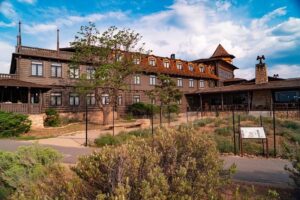
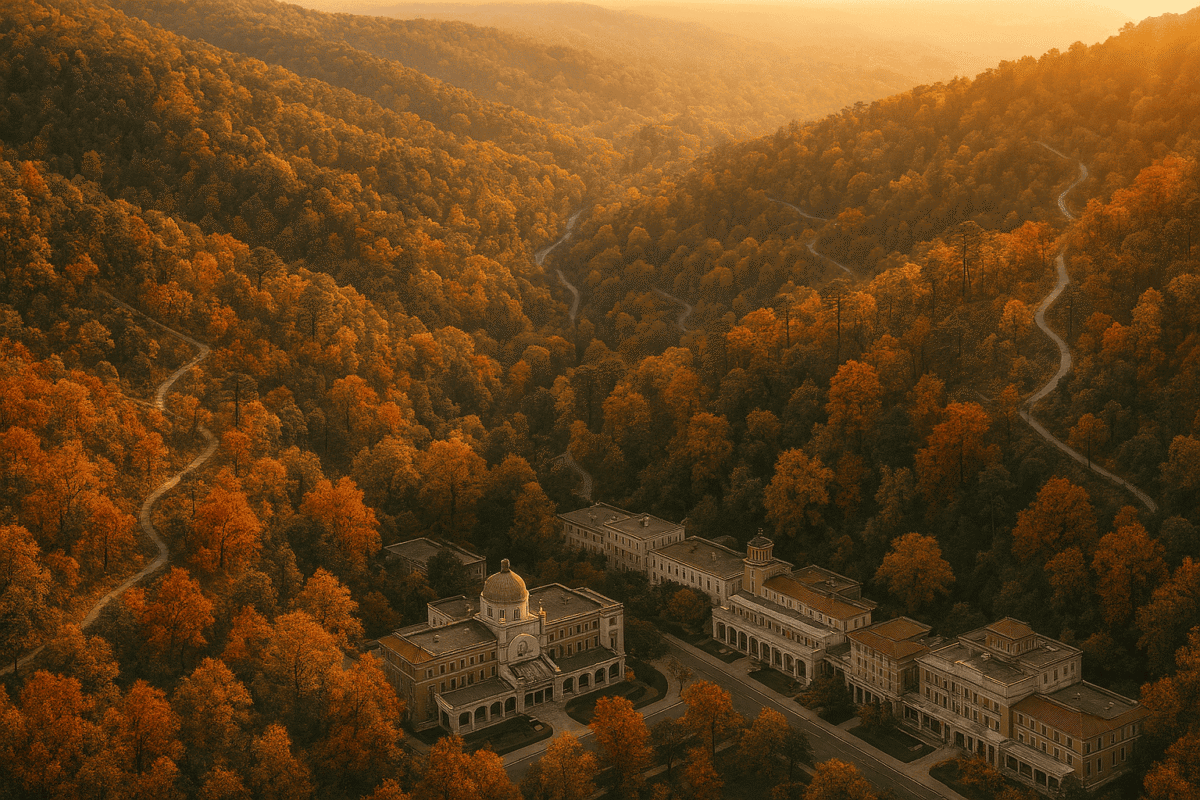
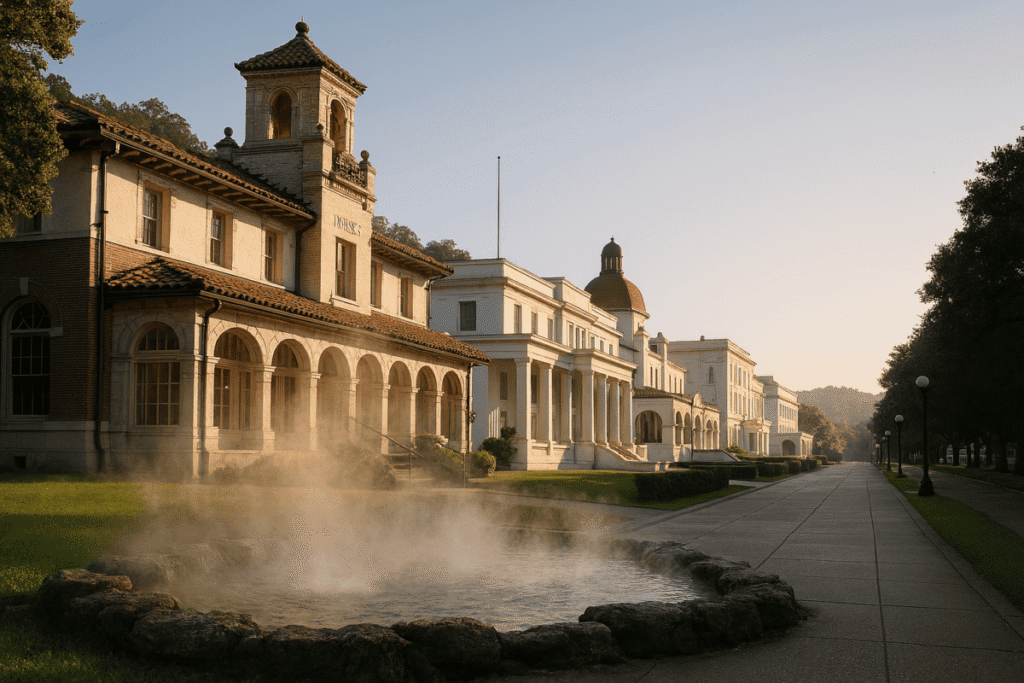
Bathhouse Row is the cultural and architectural centerpiece of the park and one of the most distinctive streetscapes in any American national park.
Eight grand bathhouses were constructed between 1892 and 1923 along Central Avenue during the peak of the American spa era, each built in a distinct architectural style ranging from Spanish Colonial Revival to Italian Renaissance.
At the height of the bathing culture, Hot Springs was one of the most visited destinations in the country, drawing baseball teams for spring training, politicians, and, in the 1920s and 1930s, a remarkable collection of organized crime figures.
Al Capone maintained a suite at the Arlington Hotel and was a regular visitor.
Lucky Luciano, Bugsy Siegel, and Owney Madden all spent extended time in a city where illegal gambling ran openly under corrupt local government until federal intervention shut it down in 1964.
Today two bathhouses on the row still operate as thermal bathing facilities.
The Buckstaff Bathhouse has been in continuous operation since 1912, offering a traditional bathing experience with attendants, hot packs, and private baths on separate floors for men and women.
It is the closest thing available to the experience early 20th century visitors had, and operates on a walk-in basis without advance reservations.
The Quapaw Baths is the more modern option, with four communal thermal pools at varying temperatures, private baths, and a full spa menu.
Prices at both run from around $25 to $45 for a basic bath, with spa treatments available at higher rates.
The Fordyce Bathhouse, the most ornate of the eight and built in 1915, now serves as the park visitor center and museum.
A self-guided tour through its interior, including a basement grotto with the original Quapaw Spring still producing steam, gives a clear sense of how seriously Americans once took the ritual of thermal bathing.
The Superior Bathhouse, at the northern end of the row, was converted into a craft brewery in 2013 and now operates as Superior Bathhouse Brewery, the only brewery in a US national park, using 100 percent thermal spring water in its beer production.
Hiking the Ouachita Mountains
Most visitors to Hot Springs focus entirely on Bathhouse Row and never realize that the park contains 26 miles of hiking trails through the forested Ouachita Mountains directly behind the city.
The Grand Promenade is the most accessible starting point, a paved half-mile walkway behind the bathhouses that passes thermal spring outflows and connects to the mountain trail system.
Hot Springs Mountain Trail is a moderate loop with views over the city and surrounding ridges.
The Sunset Trail is the longest route in the park at roughly 10 miles, running through hardwood and pine forest with creek crossings and wildlife habitat away from any sense of the urban park below.
The Hot Springs Mountain Tower, a 216-foot observation structure near the summit of Hot Springs Mountain, provides panoramic views across the Ouachita range and the city.
It charges a small fee for access and is worth the 10 minutes it takes.
Trail conditions and any closures can be checked through the official Hot Springs National Park conditions page before heading out, particularly after rain when the mountain trails can be muddy.
Planning the Visit
Hot Springs is a year-round destination with no entrance fee and no timed entry reservations. Spring and fall are the most comfortable seasons for hiking, with temperatures in the 60s and 70s Fahrenheit.
Summer is hot and humid but the bathhouses remain popular.
The single campground in the park, Gulpha Gorge, sits along a creek about a mile from Bathhouse Row and costs $34 per night, with reservations available through recreation.gov.
The city of Hot Springs itself adds context that makes the park easier to understand. The Ohio Club, Arkansas’s oldest bar and a former haunt of both Al Capone and Babe Ruth, operates a short walk from the bathhouses.
The Arlington Hotel, where Capone stayed, still takes guests.
Accommodation ranges from budget motels to boutique hotels, with Hotel Hale, housed in the original 1892 Hale Bathhouse, offering thermal soaking tubs in each room fed directly by the park’s spring water.
For visitors building a broader southern national parks itinerary, Hot Springs pairs naturally with a drive east toward the Great Smoky Mountains region.
Our guide to Great Smoky Mountains National Park covers that park in full and can help sequence a multi-day route through the South.
For those planning a first US national parks trip and wanting to understand the geographic spread of parks before committing to a route, the national park map by state is a useful starting point.
Hot Springs does not fit neatly into any category of national park experience. It is not wilderness. It is not a scenic drive.
It is a thermal spring city with Gilded Age architecture, a complicated gangster history, and mountain trails that most people walk past without noticing.
The springs have been drawing people for at least 8,000 years. The park built around them is still figuring out how to explain what it is, which may be exactly what makes it worth a stop.