Yellowstone National Park packing list questions follow a predictable pattern. People want to know what to wear in summer, whether they really need bear spray, how cold it actually gets, and whether regular sneakers will cut it on the trails.
The answer to all of these comes down to one thing, Yellowstone does not behave like a normal American summer destination, and packing for it like one is the most common mistake visitors make.
At over 6,000 feet above sea level, the park delivers weather that shifts within hours. A clear morning near Old Faithful can turn into a drenching afternoon thunderstorm before you make it back to the lodge.
July, the warmest month, still produces cold evenings that catch visitors from California and Canada equally off guard.
Germans traveling to Yellowstone for the first time often compare the altitude conditions to the Bavarian Alps, the comparison is apt in terms of preparation, even if the landscapes are entirely different.
Clothing
The layering system is non-negotiable, and it starts before anything else. A moisture-wicking base layer, either synthetic or merino wool, goes on first.
Cotton fails here because it holds moisture against the skin, and at altitude in damp conditions, that becomes a real cold problem rather than a minor inconvenience.
A midweight fleece or wool pullover sits over that, covering the cool mornings and evenings that every month of the park season produces.
Over everything goes a lightweight, packable rain jacket waterproof and windproof because the afternoon thunderstorms that roll through Yellowstone in summer are quick, intense, and drenching.
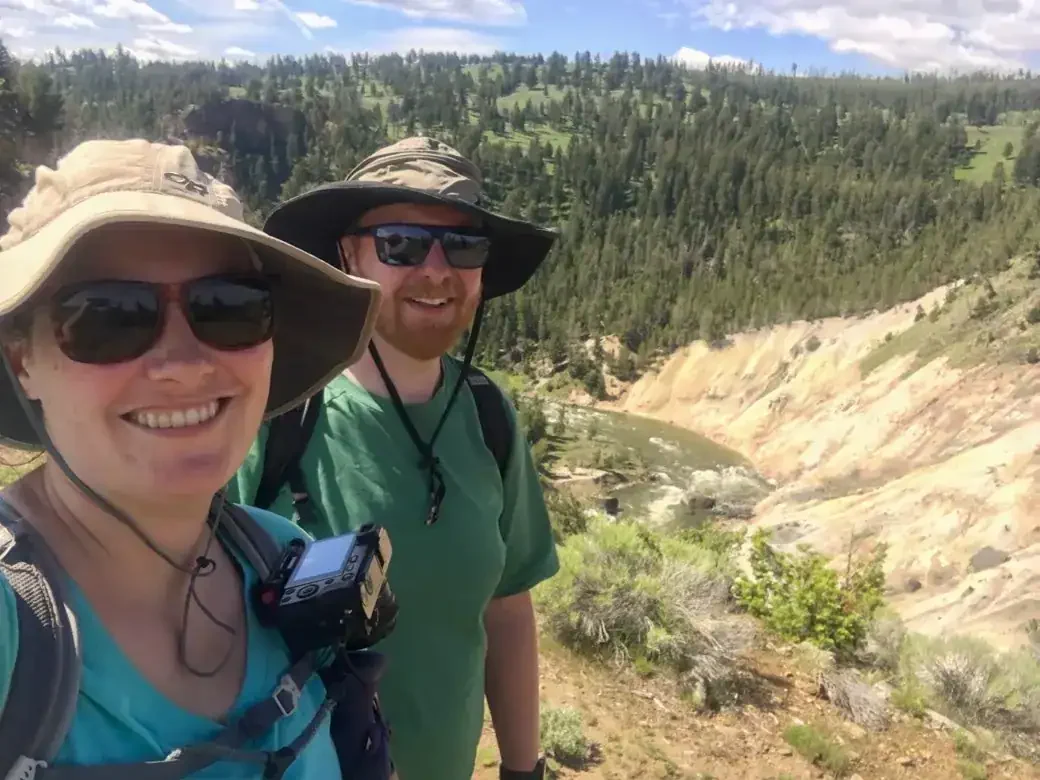
Hiking pants that convert to shorts are worth the investment. They handle the warm midday stretch without requiring a full outfit change, and they keep bugs and sun off the legs in a way that shorts alone never do.
Socks deserve more attention than they get on most packing lists. Merino wool or synthetic hiking socks prevent blistering on uneven terrain. Cotton socks are a direct route to discomfort.
Footwear
The footwear question is where opinion divides. Around the boardwalks and main geyser basins, sturdy athletic shoes do fine.
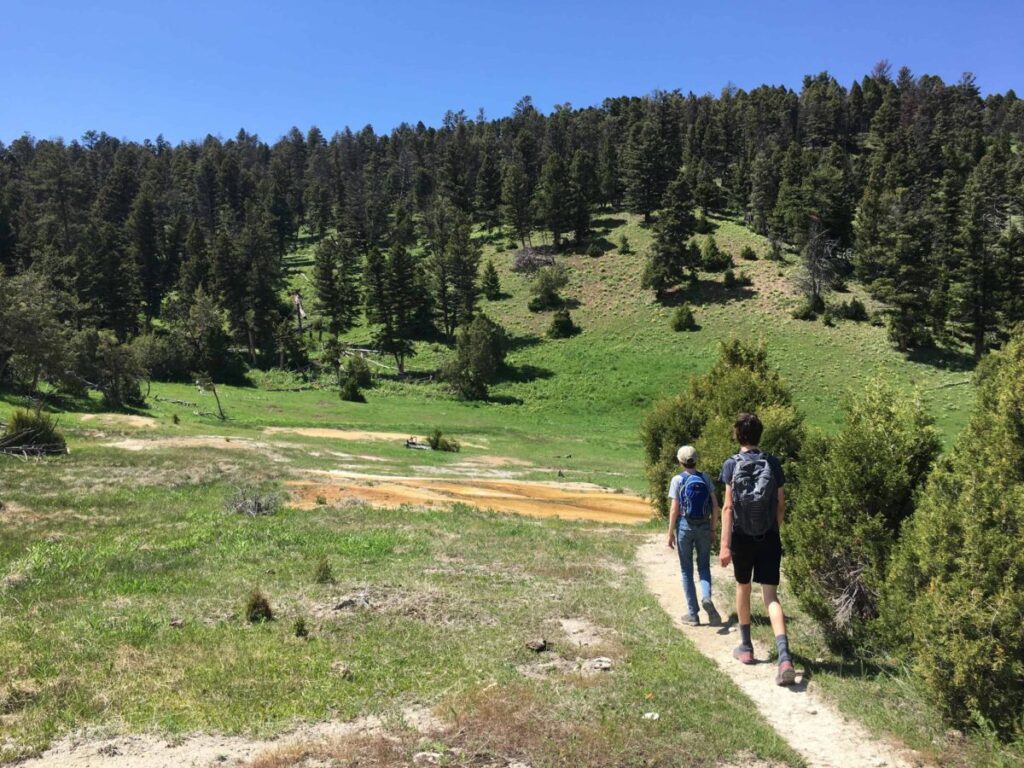
But anyone planning to go beyond the boardwalks, onto actual hiking trails with loose rock, exposed roots, and variable surfaces, needs proper hiking boots with ankle support and grip.
The difference between a confident hike and a turned ankle in Yellowstone often comes down to footwear alone, and good boots sized with enough room for thick socks matter more here than at lower-altitude parks.
If you plan to wade in rivers or access the Firehole River Swimming Area, a pair of water sandals with solid straps handles both trail walking and water entry without the need for a second full shoe.
The Gear
Binoculars belong near the top of this list, not buried at the bottom. Yellowstone’s wildlife is extraordinary and routinely distant.
A grizzly moving through a meadow, wolves near Lamar Valley, bison herds crossing open ground none of these deliver their full impact at the naked-eye distances most wildlife occupies in this park.
A basic eight-by-forty-two pair transforms the experience. A spotting scope on a tripod is what serious wildlife watchers bring; for everyone else, the binoculars are enough.
Bear spray is a separate category from wildlife watching gear. It is a safety tool, and whether you intend to hike off the boardwalks or not, the decision to carry it is one worth taking seriously.
According to the National Park Service, bear spray is the most effective deterrent in a bear encounter. It cannot be carried on planes, but it is available for purchase or rental at sporting goods stores around the park and at general stores inside it.
Buying further from the park entrance in towns like Bozeman or Idaho Falls costs considerably less than buying it close to the gates, a real financial consideration for families or groups.
Bug spray earns its place too. Mosquitoes vary by month and location, but meadows and wetland areas in summer can be genuinely unpleasant without protection.
Road Meals Save Money
Food planning inside Yellowstone is a budgeting decision as much as a logistical one. Dining inside the park is available but priced accordingly, and the distance between villages means that running out of snacks or water during a long wildlife watching session becomes an actual problem.
Packing a cooler with groceries bought in Bozeman or Idaho Falls before entering through the North or West entrances cuts food costs significantly across a multi-day stay.
A refillable water bottle with at least one litre capacity is essential at altitude, and a thermos for morning coffee or hot drinks extends the pleasure of early starts without depending on visitor center hours.
A daypack large enough to carry an extra layer, water, snacks, camera, and first aid kit keeps everything accessible without requiring a trip back to the car between stops.
A compact first aid kit, a headlamp for evening walks around lodge grounds, and a portable phone charger round out what the park consistently reveals as missing from underprepared bags.
Physical Maps Still Matter
Cell coverage inside Yellowstone is famously unreliable, and it is unreliable in the ways that matter most, at trailheads, in backcountry transition zones, and at many of the best wildlife watching areas.
A physical park map picked up at any entrance kiosk covers driving routes adequately.
For actual hiking, a detailed topographic map from any visitor center gives the trail information that a quick glance at a phone screen cannot.
For travelers building a broader American West itinerary around a Yellowstone visit, the national park map by state on Tadexprof is a useful planning reference for sequencing parks logically by geography.
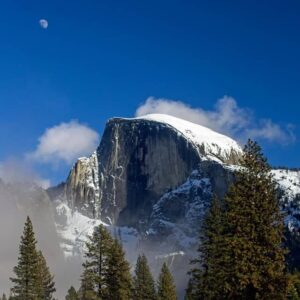
And if you are planning to visit other major western parks, the Yosemite National Park guide on Tadexprof covers the preparation and planning considerations for a park that draws a similarly devoted and sometimes similarly underprepared crowd.
Yellowstone does not require elite fitness or specialist equipment. What it requires is honest preparation.
The visitors who come away with the clearest memories of wolves in the Lamar Valley at dawn, of steam rising off the Grand Prismatic Spring in morning light, of bison crossing the road without any concern for the traffic they are creating, those visitors almost always packed the right layers, brought the optics, and bought the groceries before they reached the gate.